
Navigating the complexity of angioedema can be daunting, especially for those recently diagnosed. While understanding the condition is the first step, finding reliable answers to common questions feels essential. For those seeking clarity, this comprehensive guide delves into frequently asked questions about angioedema, addressing concerns and offering practical advice. Recognizing the pivotal moments to act could significantly improve quality of life and treatment outcomes.
Introduction to Angioedema
Angioedema involves sudden and painful swelling under the skin in various areas. This condition can severely impact your routine life and overall comfort. It’s different from a typical rash and can be very disruptive each day.
It’s crucial to spot angioedema symptoms early for effective treatment. Knowing what triggers an episode and recognizing signs quickly makes it manageable. Early treatment not only reduces risks but keeps severe symptoms at bay.
Understanding Angioedema
Angioedema is a condition involving swelling beneath the skin, often triggered by immune reactions. Visualization of this response helps one understand its intensity and appearance.
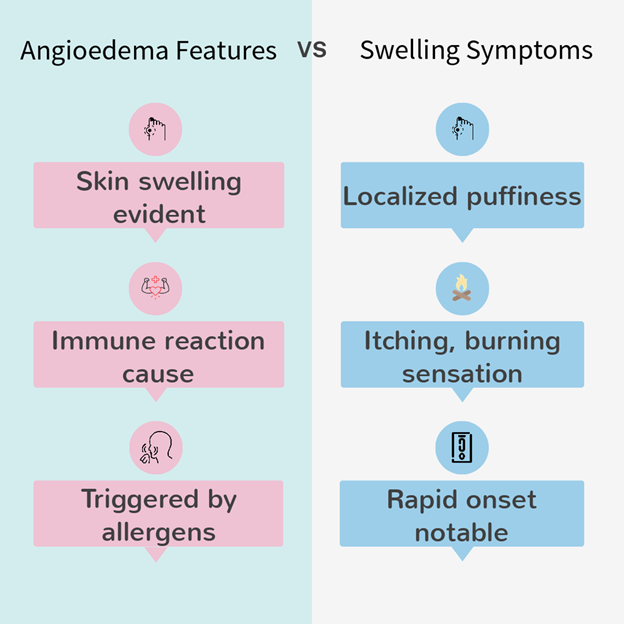
Both angioedema and hives result from immune responses, but they differ in where they appear. Angioedema presents deeper as swelling, while hives are raised, itchy marks on the skin’s surface.
The most common areas affected by angioedema include the lips, face, and throat. In severe cases, it can threaten breathing, requiring attention and care.
Main Causes of Angioedema
Angioedema often starts when exposed to specific triggers. Common reasons include food allergens like peanuts or medications such as ACE inhibitors. You might try avoiding foods like shellfish and tree nuts if you have angioedema. They are frequent causes of allergies, potentially sparking swelling episodes.
Some people experience angioedema because of inherited genes, known as hereditary angioedema. This happens when genes related to blood vessels cause episodes of swelling. There are also idiopathic cases, still not clearly explained by science, illustrating the complex nature of some angioedema types.
The central issue in angioedema is the leaky blood vessels that let fluids escape. This fluid leakage is what leads to visible swelling on the skin. Tackling this leak can help control angioedema symptoms better through treatment and lifestyle changes.
Recognizing Symptoms of Angioedema
Common signs of angioedema include swelling of the face, particularly noticeable around your lips or eyes. These symptoms might sometimes come with a rash that can linger for various longer durations. You might also experience some tummy pains, and these signs can stick around from hours to a few days at most.
When severe troubles arise, they might include really bad stomach issues or trouble breathing. These scary moments need urgent attention, because knowing when to act can truly be life-saving.
Diagnosis and When to Seek Medical Help
Diagnosis involves a thorough medical history check and physical examination. Tests help confirm the problem by ruling out other issues first. Blood tests that check for complement system components can reveal hereditary angioedema, which is key to diagnosing correctly.
Urgent action is necessary when serious symptoms appear. If there’s throat tightening or trouble breathing, get emergency help right away as swelling can worsen quickly.
When talking to your healthcare provider, ask clear questions: “What triggers my angioedema?” and “What medicines should I use?” Also ask, “How can I manage swelling episodes better?” Getting these answers can ease the stress of managing acute episodes and provide peace of mind between flare-ups.
Types of Angioedema and Their Implications
Angioedema comes in several types, each needing its own care plan. Understanding it’s key to manage and avoid triggers efficiently.
- Allergic Angioedema often strikes due to common allergens like food or insect bites. Swelling and redness might ensue, needing quick action to calm symptoms down effectively.
- Drug-induced Angioedema usually stems from meds, especially ACE inhibitors, causing lip and skin issues. Reviewing meds with medical experts helps find better options without these side effects.
- Hereditary Angioedema (HAE) is genetic, marked by lacking certain proteins, leading to risky swelling spells. It’s rare but serious and needs careful handling and avoiding specific known triggers.
- Idiopathic Angioedema occurs without known causes or triggers making treatment tough. Unknown triggers mean dealing with potential flare-ups unpredictably.
Everyone deserves a plan as unique as their situation demands.
Regional differences create unique challenges for those with angioedema. Insect bites cause more troubles in Asia due to mosquito numbers there. Pollution-heavy areas might see more allergic angioedema cases due to poor air quality. Availability of healthcare resources deeply affects people dealing with hereditary forms.
Effective Treatment Options for Angioedema
Managing angioedema effectively hinges on its type and how serious it is:
- In mild cases, symptoms often ease on their own in due time. You might use antihistamines for itch relief or to get more comfortable.
- For those moderate cases, doctors may suggest corticosteroids to help bring down swelling.
Prevention matters a lot here. Avoiding common triggers, mainly certain foods causing reactions, can go a long way. If you have hereditary angioedema, try avoiding trauma or stress since they could spark an episode. Maintain regular check-ins with your doctor and keep a log of medicines for timely tweaks.
Is Angioedema Life-Threatening?
Angioedema can vary widely in how severe it might be for someone. Most times, symptoms are mild and don’t need more than basic care.
- Normal Situations: Often, an angioedema skin rash will go away on its own with little treatment, the swelling might reduce naturally over a few hours.
- Serious Situations: If swelling blocks your airways, making breathing or swallowing hard, get help quickly. This type of angioedema can be very dangerous and might require urgent medical care.
Look for symptoms like swollen areas around the eyes and lips or intensely itchy skin. These signs may mean that you have serious angioedema happening right now. If you’re having trouble breathing, feel tightness in your chest, or feel faint, these suggest seeking emergency help immediately. Being ready with an emergency kit could save your life in some circumstances.
Daily Life with Angioedema: Tips and Strategies
Living with angioedema requires careful and consistent self-management.
Diet modifications can significantly reduce flare-ups and avoid discomfort.
Keeping a food diary helps identify which items trigger swelling episodes.
Journaling daily activities against symptoms can identify unknown triggers effectively.
Employers who understand your condition provide much-needed workplace support.
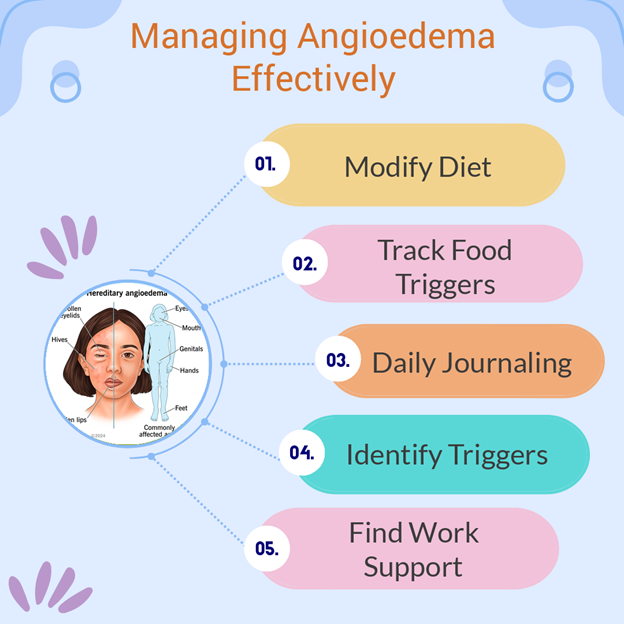
Connecting with others for support is not just helpful, but crucial.
Family and friends encourage shared experiences and offer emotional backing.
Open conversations with healthcare providers lead to personalized treatment plans.
Utilizing existing resources can greatly enhance your quality of life.
Stay informed on advancements in medications like Orladeyo for symptom relief.
Being part of formal support networks offers guidance and emergency contacts.
Battling Misconceptions About Angioedema
Misunderstandings about angioedema often mislead treatment choices and decisions. While it may appear similar to hives, its causes and effects can differ greatly.
Additionally, getting the right care for angioedema lips treatment isn’t just cosmetic. Acting swiftly can stop serious problems from arising.
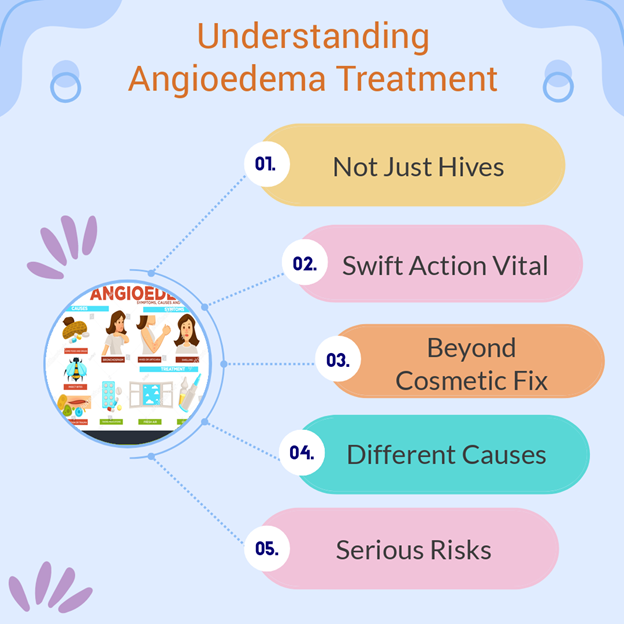
Recognizing that angioedema symptoms and diagnosis vary widely is critical. Sometimes, symptoms don’t simply fade quickly, nor are they always mild. Comprehending these differences enables better judgment in seeking angioedema face treatment when necessary. Understanding these aspects can lead to more informed and effective management strategies.
Resources and Conclusion
Reliable sources for help are key when managing angioedema effectively. Official groups like the International Hereditary Angioedema Association offer guidance and information on hereditary forms, which is crucial for those experiencing these conditions. Allergy & Anaphylaxis Australia provides resources focusing on allergic angioedema, which many might find beneficial for understanding triggers and causes.
Engaging with others who share the experience of angioedema can be supportive. Online communities, especially forums on social media like Facebook, provide platforms where you can exchange stories and tips on angioedema management. Sharing strategies and learning from others can create a strong support network that feels understanding and genuine.
Being proactive about health management is key to living well with angioedema. Identifying personal triggers, such as specific foods, can be vital in managing flare-ups or reactions. Regularly checking in with doctors ensures treatments are up-to-date and effective. From crafting tailored diet plans to using the right medications, actively managing your health can lead to a better quality of life, minimizing episodes over time.
Find Relief from Angioedema at Swasa Hospitals
Angioedema can cause swelling and discomfort, but you don’t have to face it alone. At Swasa Hospitals, our specialists provide effective treatments and personalized care to manage and relieve angioedema symptoms, helping you regain control of your health.
Don’t let swelling hold you back—schedule an appointment with our experts today and start your journey towards better health. Trust Swasa Hospitals for comprehensive care tailored to your needs!
