
What is Bronchoscopy?
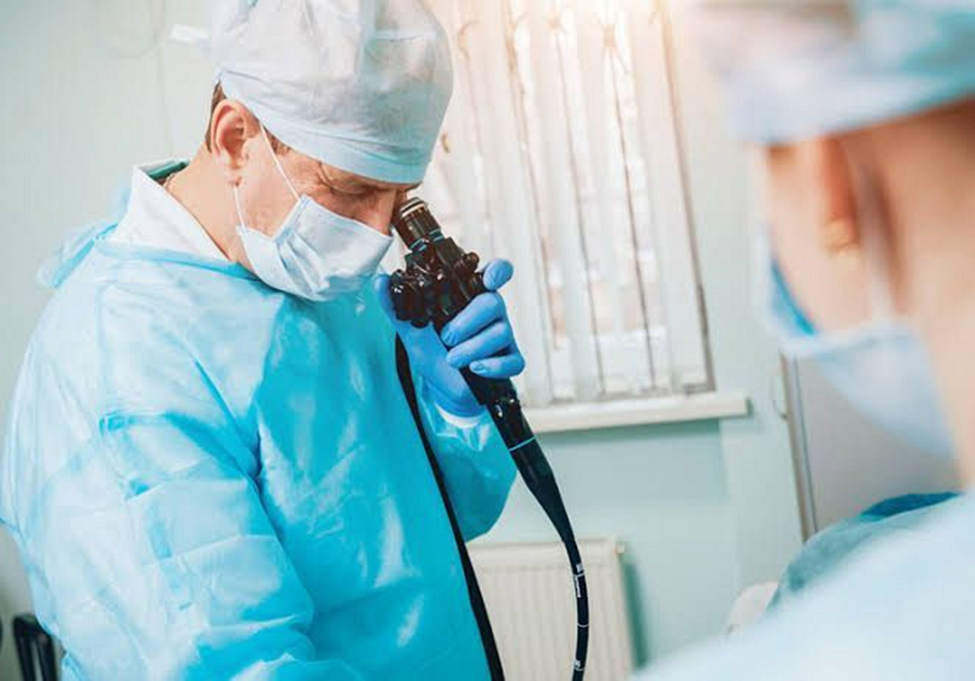
Bronchoscopy is a medical procedure that helps doctors look inside your lungs and airways. It uses a thin, flexible tube called a bronchoscope. This tube has a light and a camera, allowing the doctor to see what’s happening inside your lungs. The bronchoscope is carefully inserted through your mouth or nose, and it enables the doctor to examine your airways for issues like infections, blockages, or other lung problems.
Why is Bronchoscopy Important?
Bronchoscopy is a useful tool for diagnosing lung and airway conditions. Sometimes, people experience persistent symptoms such as a chronic cough, wheezing, or shortness of breath. When these symptoms do not improve with initial treatments, doctors may recommend a bronchoscopy to get a clearer picture of what is going on inside the lungs.
Additionally, bronchoscopy can be used to remove foreign objects that may have been accidentally inhaled, collect tissue samples (called biopsies) to check for diseases, and even help in treating certain conditions by clearing the airways of mucus or other obstructions.
How is the Procedure Done?
Before the procedure, your doctor will explain what will happen, and you will likely be given a sedative to help you relax. The procedure is usually done under local anesthesia, meaning the area where the bronchoscope will enter will be numbed. In some cases, you may be given medication to help you relax or even sleep through the procedure.
Once you’re relaxed, the bronchoscope will be inserted through your nose or mouth and carefully guided into your airways. While you may feel a sensation of pressure or mild discomfort, the procedure itself is typically not painful. The camera on the bronchoscope sends images to a screen, which the doctor uses to examine the airways in detail.
In some cases, your doctor may also take samples of tissue or fluid from your lungs for further examination. The whole procedure usually takes about 30 to 60 minutes.
What Can a Bronchoscopy Help Diagnose?
A bronchoscopy can help doctors detect a variety of conditions that affect the airways and lungs. Some common conditions that can be diagnosed with bronchoscopy include:
- Infections: If there’s a persistent infection in the lungs, such as pneumonia or tuberculosis, a bronchoscopy can help identify the exact cause. It also allows the doctor to collect samples of mucus or tissue for testing.
- Cancer: If there’s a suspicion of lung cancer or other tumors in the airways, bronchoscopy can help the doctor see the mass and take samples for biopsy.
- Chronic Respiratory Conditions: Bronchoscopy is helpful in diagnosing chronic lung diseases like chronic bronchitis or asthma. It can help doctors see how inflammation is affecting the airways.
- Obstructions: If something is blocking the airways, such as a foreign object, mucus plug, or a tumor, bronchoscopy can help remove the blockage and restore normal airflow.
- Other Pulmonary Diseases: Conditions like cystic fibrosis, bronchiectasis, or interstitial lung disease can also be assessed using bronchoscopy.
What Happens After the Procedure?
After a bronchoscopy, you may feel a little sore in your throat, and you might have a cough or a slightly hoarse voice for a short time. These side effects are usually mild and go away after a few hours.
You might also be asked to stay in a recovery room for a short time after the procedure so your healthcare provider can monitor you as the sedative wears off. Most people can go home the same day, but you’ll need to arrange for someone to drive you, as the sedation may leave you feeling a little groggy.
When Should You Consider a Bronchoscopy?
If you are experiencing persistent respiratory symptoms, like a chronic cough, shortness of breath, or frequent infections, and standard treatments have not provided answers, it might be time to consider bronchoscopy. Your doctor may also suggest it if you have a history of smoking or lung disease and are experiencing unexplained symptoms.
Is Bronchoscopy Safe?
Bronchoscopy is a generally safe procedure, but, like any medical test, it does come with some risks. The most common risks include mild bleeding, infection, or a puncture in the lung (which is rare). Your doctor will take steps to minimize these risks and will monitor you closely during and after the procedure.
It’s important to discuss any concerns you have with your doctor beforehand. They can explain the procedure in detail, and help you understand why it’s necessary for your health.
Conclusion
Bronchoscopy is a highly effective tool for diagnosing and treating lung conditions. By allowing doctors to directly view the airways and lungs, it helps provide a clear picture of what is happening inside. If you have ongoing lung symptoms that need further investigation, bronchoscopy might be the answer to getting the right diagnosis and treatment. It’s important to discuss your symptoms with your doctor, who will guide you on the best next steps for your lung health.
Consult us today at Swasa Hospitals!
