
Pulmonary sarcoidosis affects countless people’s lung health worldwide. It occurs when tiny lumps called granulomas group in the lungs, damaging their function. This guide familiarizes readers with basics, helping them recognize symptoms and explore treatment options. Understanding pulmonary sarcoidosis and knowing its full impact equips readers to handle the challenges it presents, ensuring a proactive approach towards its management and treatment.
Unveiling Pulmonary Sarcoidosis
Pulmonary sarcoidosis involves granulomas forming mainly in the lungs. These lumps cause inflammation, marking the start of this condition. It’s crucial to understand because it often doesn’t cause serious symptoms initially, but can worsen over time if untreated. While the exact cause of this condition remains uncertain, it is more commonly seen in some populations. In India, awareness around sarcoid disease lung is slowly growing, but more research and public knowledge are crucial. Increasing awareness can lead to early diagnosis, offering better management and treatment options for those affected.
Exploring Causes and Risk Factors
Though definite causes of pulmonary sarcoidosis are still unknown, both genetic and environmental triggers play roles. Exposure to certain dust, germs, or chemicals might trigger the sarcoidosis of lung symptoms. Those with a family history of this condition are at increased risk. Also, this ailment mostly targets people between 20 to 40 years. In India, understanding these triggers helps in forming personalized approaches to its prevention. Raising awareness about these risk factors can encourage protective practices among at-risk groups.
Identifying Symptoms of Pulmonary Sarcoidosis
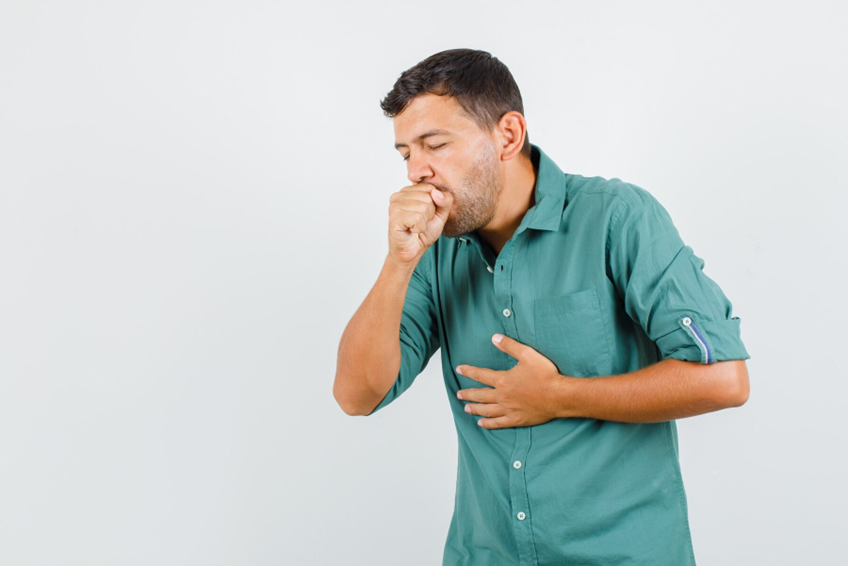
Understanding symptoms helps in managing sarcoid disease lung effectively. Specific lung-related indicators can include: – Persistent dry cough – Shortness of breath or wheezing – Chest discomfort
These symptoms can impact an individual’s daily routine and lifestyle. General ones include tiredness or weight loss, which shouldn’t be ignored. While sarcoidosis lung mainly impacts the lungs, sometimes less common signs surface, affecting skin or eyes. You might see rash, redness, or tenderness on the skin. Early detection of these less common symptoms leads to quicker intervention, which is crucial for better outcomes.
Advanced Diagnostic Procedures
Feeling even a slight discomfort can raise alarm, making diagnosis essential. Early detection means better handling of pulmonary sarcoidosis. To identify it, doctors rely on several methods, such as X-rays, CT scans, and breathing tests. These tests help in understanding the extent of lung involvement and offer clues for appropriate treatments. Other techniques include examining lung tissue samples, called biopsies, ensuring that correct interventions are planned on time.
Comprehensive Treatment Options
Managing pulmonary sarcoidosis involves varied approaches. Sometimes just careful observation without medicine is enough, especially when symptoms aren’t severe. But when medication is needed, steroids are commonly used, reducing inflammation effectively. However, they come with certain side effects. For those struggling with side effects, doctors may suggest alternative medications. Beyond medicine, lifestyle adaptations improve wellbeing significantly: 1. Engage in light exercise to boost lung function. 2. Quit smoking to prevent further lung damage. 3. Manage stress for overall health improvement.
Each of these steps contributes to better management of sarcoidosis of lung symptoms, ensuring comprehensive care.
Prognosis and Managing Long-Term Prospects
Many people with sarcoid disease lung see remission, where symptoms become minimal or disappear over time. But possible complications remain, especially if not addressed early. Maintaining quality of life is possible by planning interventions thoughtfully. Regular check-ups and monitoring help patients stay informed about their progress, ensuring they take timely action. Discussions with healthcare professionals are crucial for shaping effective care plans, optimizing patient experiences over time.
Embracing Life with Pulmonary Sarcoidosis
Living with pulmonary sarcoidosis might seem challenging, but adopting positive attitudes can ease this journey. Developing coping mechanisms, such as seeking emotional support or engaging in groups, makes a difference. Community resources, especially in India, are invaluable in providing support and encouragement. Joining local or online sarcoidosis support networks fosters a sense of belonging, helping individuals share experiences and advice.
Conclusion: Taking Proactive Steps Forward
In summary, this guide explored pulmonary sarcoidosis, its causes, symptoms, and treatments. By acting promptly and seeking medical advice, individuals can manage their symptoms effectively. Collaboration with healthcare providers is essential, promoting early interventions and personalized care plans. Awareness and proactive steps lead to efficient management of this condition, ensuring better quality of life and long-term health outcomes.
